Mindjoy
Modern Assessments

Assess what matters, at scale

Open-ended and handwritten answers become practical to mark for large classes. Mindjoy suggests marks against your mark scheme, and you stay in charge of every mark.

Faster feedback, with the educator in charge

Marking large classes by hand takes weeks, so feedback arrives after the class has moved on. Mindjoy marks against your mark scheme, so feedback arrives while it still matters, and you choose when students see it.
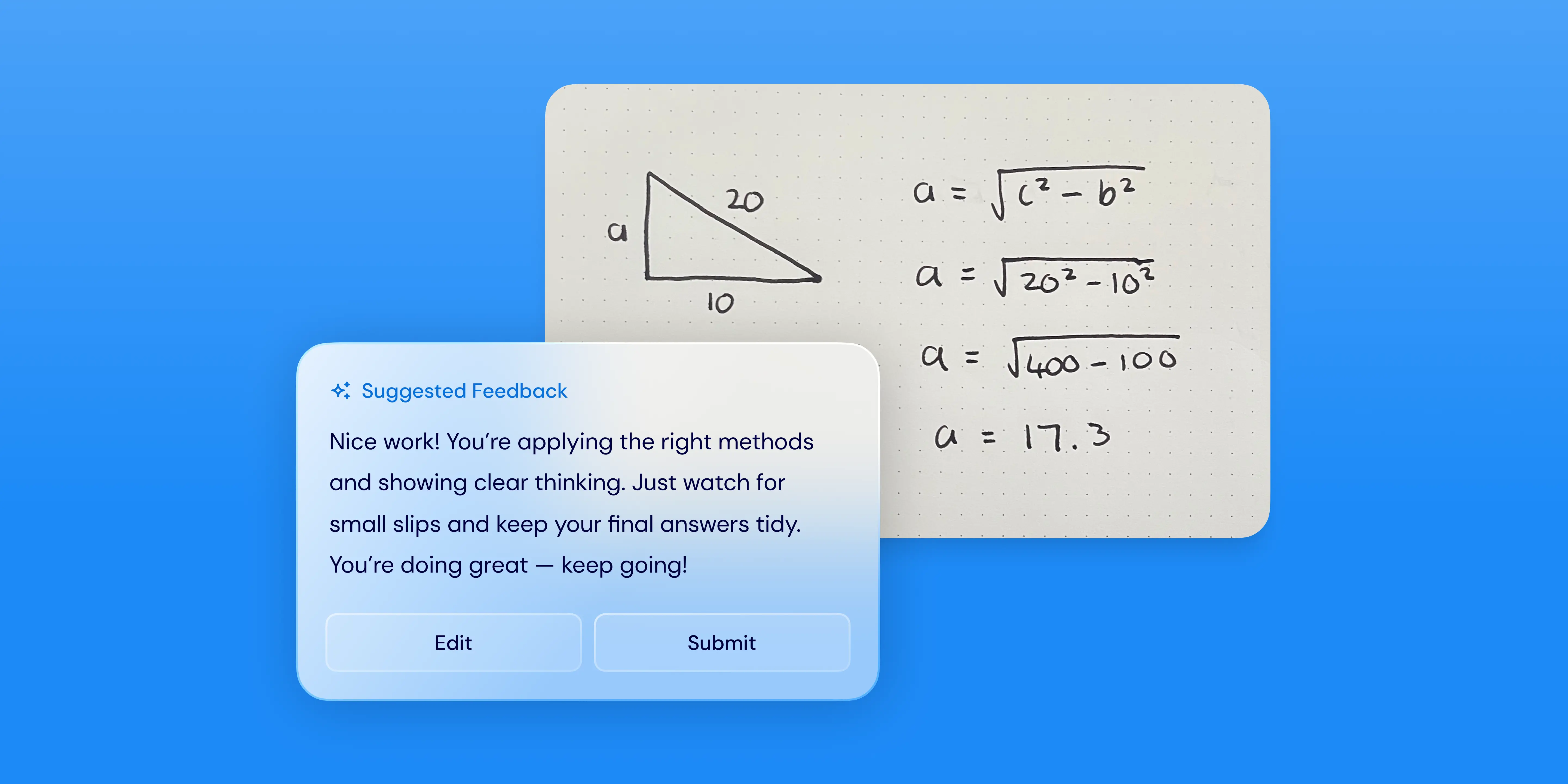
Suggested feedback on a student's handwritten working

Mark handwritten and open-ended work

Students submit typed answers, maths, code or a photo of their handwritten working. Mindjoy suggests a mark and feedback for each answer, and you edit or approve it.
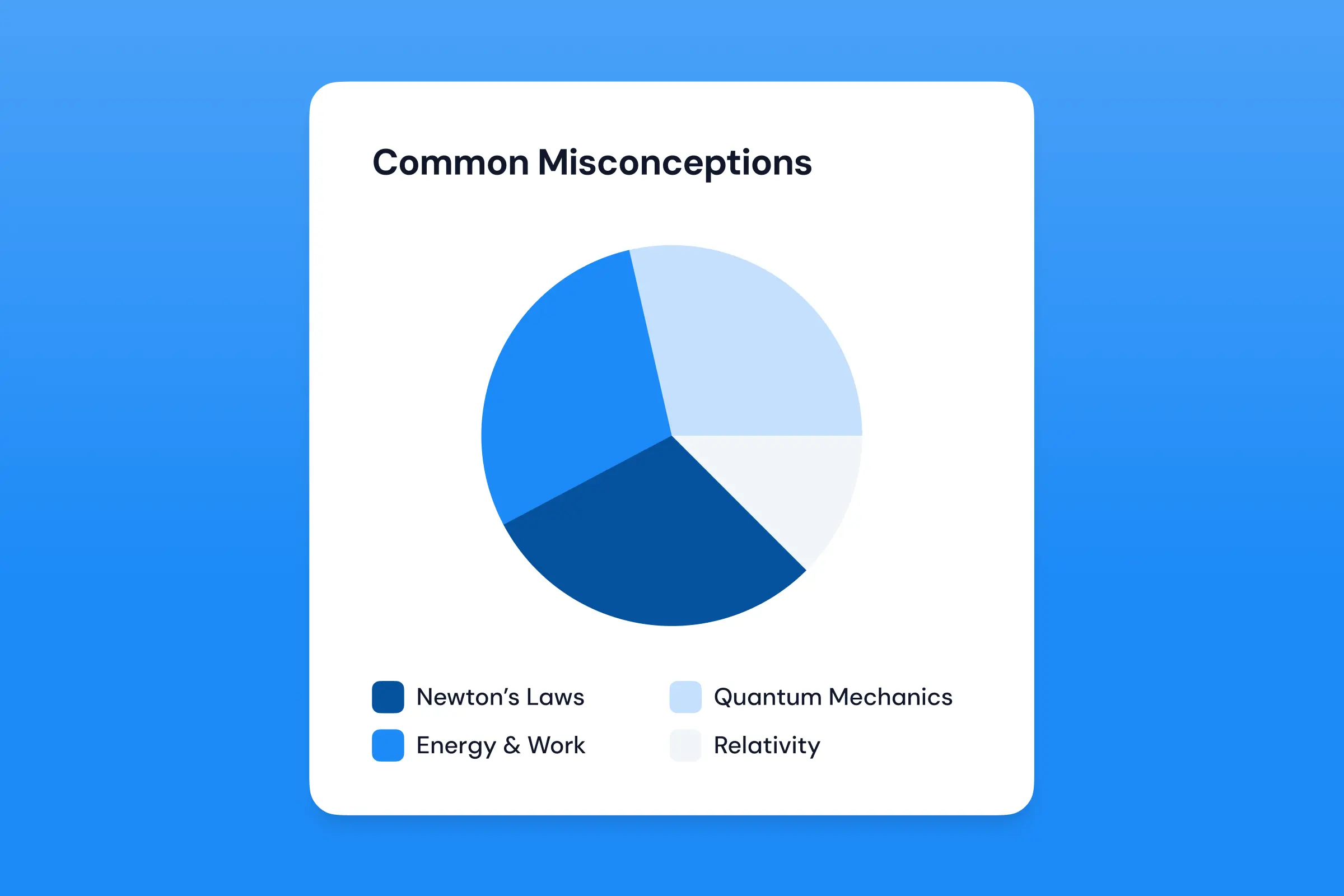
Chart of common misconceptions by topic

See common misconceptions

Review answers question by question, see the mark distribution, and find where the class went wrong.
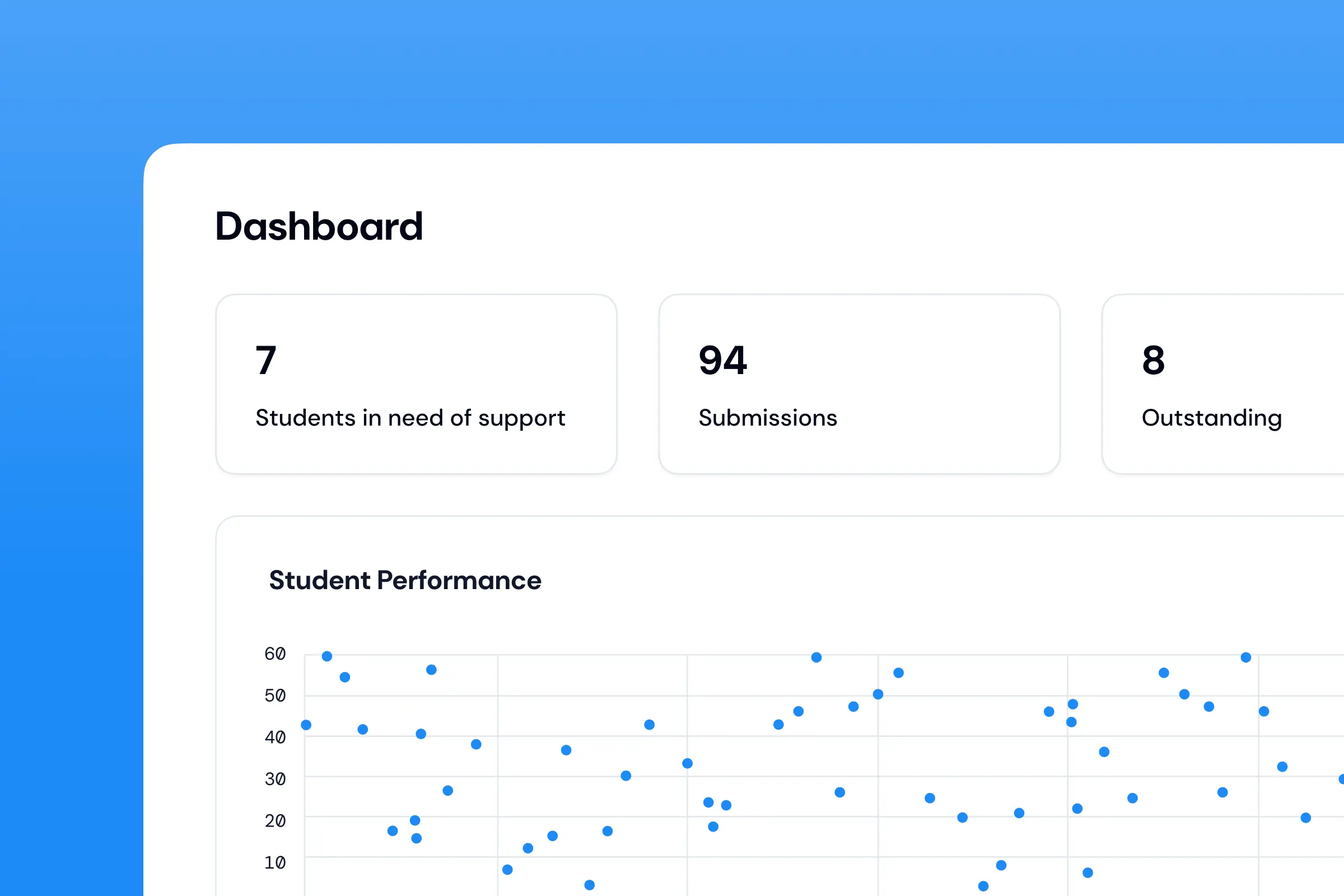
Dashboard showing students in need of support and submissions

Know who needs support

The gradebook brings every student's results together, so you can spot who is falling behind and export marks to CSV.

Test your mark scheme first

Preview the marking and feedback on sample answers before you assign.

Choose when feedback arrives

Instantly, when students submit, or when you return the work.

Resubmissions

Let students revise and resubmit, so assessment builds mastery.

Bulk remarking

Change a question or mark scheme and remark the whole class at once.

Paper-based marking, now piloting with partners

One student's week in the weekly learning loop

Paper shows what a student can do alone, under test conditions. Online work shows how they got there. Together they tell the lecturer what to teach next.

  1. Painting of a student writing a tutorial test on paper in a venue

    1 · Tutorial day

    Students write the tutorial test on paper, without devices

  2. Painting of test booklets being scanned beside a laptop showing marked scripts

    2 · After the tutorial

    Scripts are scanned and marked against the lecturer's memo

  3. Painting of a lecturer checking marked scripts on a laptop next to a paper script

    3 · Within days

    The lecturer checks and approves the marks before students see them

  4. Painting of a student working through an online tutorial at home in the evening

    4 · Midweek

    The online tutorial gives hints, not answers

  5. Painting of a student practising on her phone on a campus bench

    5 · Any time

    Students practise on their own gaps, on their phones

  6. Painting of a lecturer reteaching at the whiteboard while tutors help small groups

    6 · Next tutorial

    The class opens with a reteach, and tutors go where they're needed

Every mark comes with a reason, and no mark reaches students until the lecturer approves it. Tutors spend less time marking and more time with the students who need them.

How Modern Assessments work

Students

How do assessments help me see where I went wrong?

You get feedback while the work is still fresh.

1

Submit online, upload a photo of your handwritten working, or write your tutorial test on paper.

2

Get feedback on each answer, from the tutor and from your lecturer.

3

Revise and resubmit when your lecturer allows it.

4

See all your grades for a class in one place, once your lecturer returns the work.

Feedback from a lecturer and from the tutor
Educators

Can I trust the marking?

You stay in charge of every mark. Mindjoy suggests, and you decide.

1

Write the questions and mark scheme, or ask the Agent to draft them for you to edit.

2

Test the mark scheme on sample answers and see the feedback students will get.

3

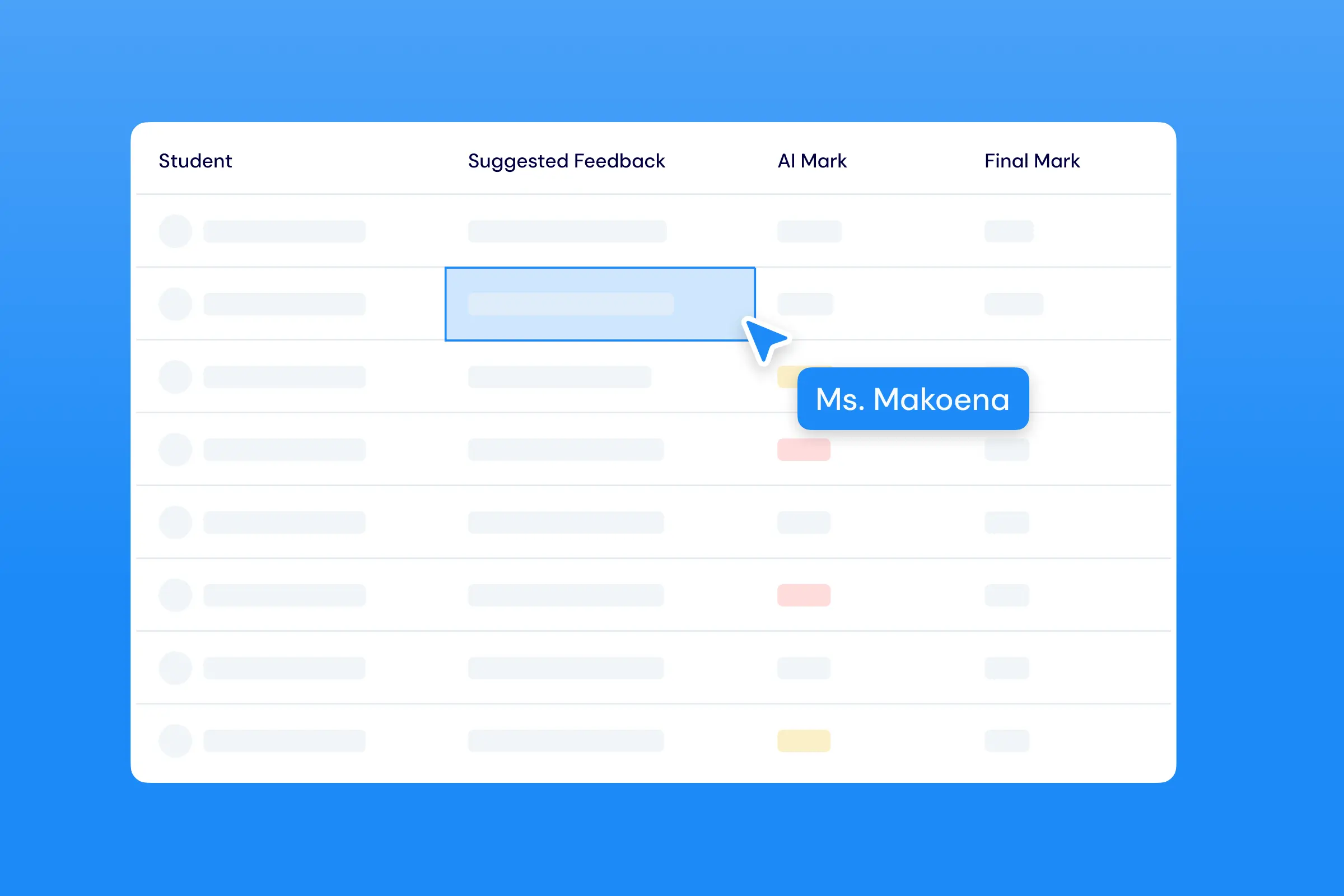
Review each suggested mark next to the final mark. Sample top, middle and bottom submissions to check the mark scheme works as you intended.

4

Edit any mark before you return the work, and report a marking issue if something looks wrong.

Table of suggested feedback, suggested marks and final marks
Leaders

How do assessments add teaching capacity?

More practice and feedback for every student, without adding marking hours.

1

Weekly tutorial tests become practical in large first-year modules, because marking no longer takes weeks.

2

Simulations, oral vivas and open-ended answers become practical to assess at scale.

3

See results and misconceptions across modules.

4

Educators set the mark scheme, check the marking and can change any mark, so standards stay with your faculty.

Activity across educators

Which module would your educators point to first?

Start with one module and a baseline. We'll show you the change before you expand.