Mindjoy’s AI Educator Grant Program 2025

Across classrooms all around the world, teachers are juggling a familiar challenge: how do you meaningfully support every learner when time, resources, and energy are always limited? At Mindjoy, we believe AI can help teachers deliver the kind of personalized, high-impact learning that usually only happens through one-to-one tutoring.
That belief sparked the AI Educator Grant Program: a four-week professional development experience designed to help teachers move from AI-curious to AI-confident. It also gave us the chance to learn directly from the educators shaping the future of teaching and to ensure that they’re always at the center of learning.
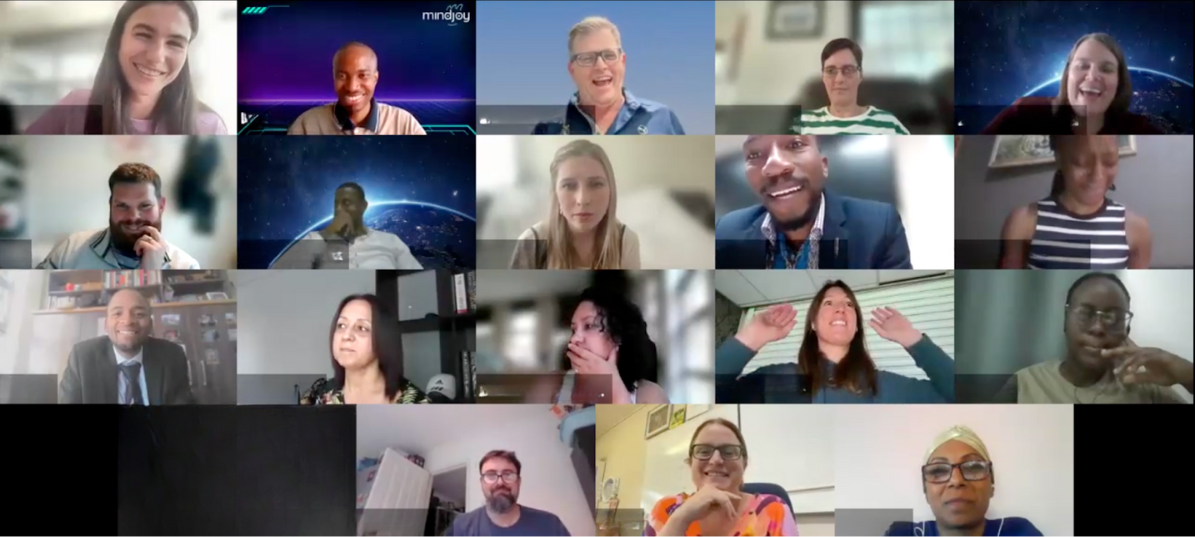
The result was a cohort of passionate, creative teachers who built their own personalized tutors, tested AI-powered assessments, and explored what human-AI collaboration actually looks like in the classroom.
Who the Program Was Designed For
We designed the AI Educator Grant Program for K-12 educators teaching ages 11-18 who were excited to explore how AI could support (not replace!) the work they already do.
Some participants were already experimenting with AI, others were just getting started - but they all shared a willingness to learn, try new methods with their students, and reflect openly along the way.
What the Program Offered
Teachers from the UK, MENA, and sub-Saharan Africa joined us for four weeks of hands-on learning. Each week included a one-hour online session - kept intentionally short, practical, and after-school hours to make sure the program was doable even in busy terms.
Over the month, teachers learned how to:
- Build personalized AI tutors aligned to their curriculum
- Create dynamic learning pathways for different student groups
- Auto-grade assessments to save hours of marking time
- Generate real-time insights into student understanding
- Streamline lesson prep without sacrificing quality
Throughout the program, teachers used Mindjoy with their own classes, giving them real examples and real student interactions to reflect on each week. Those who completed everything received up to $300 in Amazon vouchers - a small thank-you for their time, commitment, and honest feedback.
To join, teachers needed at least 15 students with access to devices, a willingness to attend weekly sessions, and an openness to sharing what worked, what didn’t, and what they’d love to see improved.
The Problems We Wanted to Solve
The program was built to address some of the biggest challenges teachers face every day:
- Differentiation: Meeting the needs of a room full of unique learners is hard - especially with limited time.
- Time pressure: Teachers need ways to reclaim time on prep and grading so they can focus more on students.
- AI literacy gap: Many educators are “AI-interested” but not yet confident enough to use it meaningfully.
- Slow feedback loops: Traditional instruction can’t always provide fast, personalized feedback, but AI can help teachers bridge that gap.
- Scaling quality instruction: Finding ways to approach Bloom's ideal of 1:1 tuition while leveraging AI's capacity for personalization.
- Administrative hesitation: Many schools are wary of introducing AI tools. The program intended to teach educators about the benefits of AI in education and build real case studies for future demonstration of the genuine value of thoughtful AI use.
What We Aimed to Achieve
The program had two major goals: to upskill educators with practical, classroom-ready AI tools, and to understand how AI actually fits into real classrooms.
1. Professional Development and Pedagogical Exploration
We wanted teachers to leave with skills they could use the very next day, but we also wanted to make room for meaningful conversations about what good AI use really looks like.
Together, teachers explored Bloom’s two-sigma problem - the idea that one-to-one tutoring dramatically outperforms traditional instruction - and whether AI could help schools move closer to that ideal.
Throughout the sessions, teachers experimented with:
- When AI tutors work best
- How to use AI for formative assessment
- Ways to preserve human connection with AI-generated feedback
- How personalization can help struggling students while also stretching confident learners
The program wrapped up with teachers sharing classroom stories and use cases - many practical, creative, and immediately impactful.
2. Product Research and Real-World Insight
The second goal was to learn from educators themselves. Participants acted as a real-world focus group, showing us how AI tools fit into classroom routines, where friction shows up, and what support teachers need to feel empowered rather than overwhelmed.
Their feedback now shapes Mindjoy’s product roadmap and upcoming features - insights we’re excited to build on.
What’s Next?
The AI Educator Grant Program showed that teachers are hungry for practical, ethical, and genuinely helpful ways to bring AI into classrooms. With the right support, educators can create personalized learning experiences that help students thrive and feel more confident about using AI themselves.
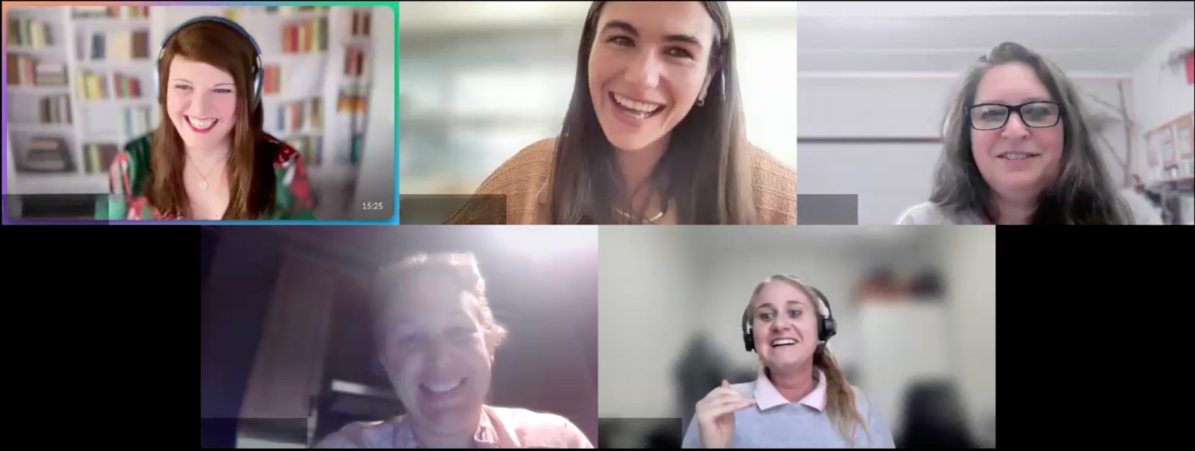
And this is just the beginning. We’re already planning new cohorts and expanding the program based on everything we learned. We can’t wait to welcome more educators to future programs in 2026!
If you’re a teacher curious about AI-powered personalized learning - or a school leader exploring new approaches - Mindjoy’s AI Grant Program is a warm, supportive place to start.
Watch this space for more information on how to apply for future AI grant programs in 2026 and beyond!