Co-Creating the Future of Teaching At the Mindjoy x NWU 2025 AI Hackathon
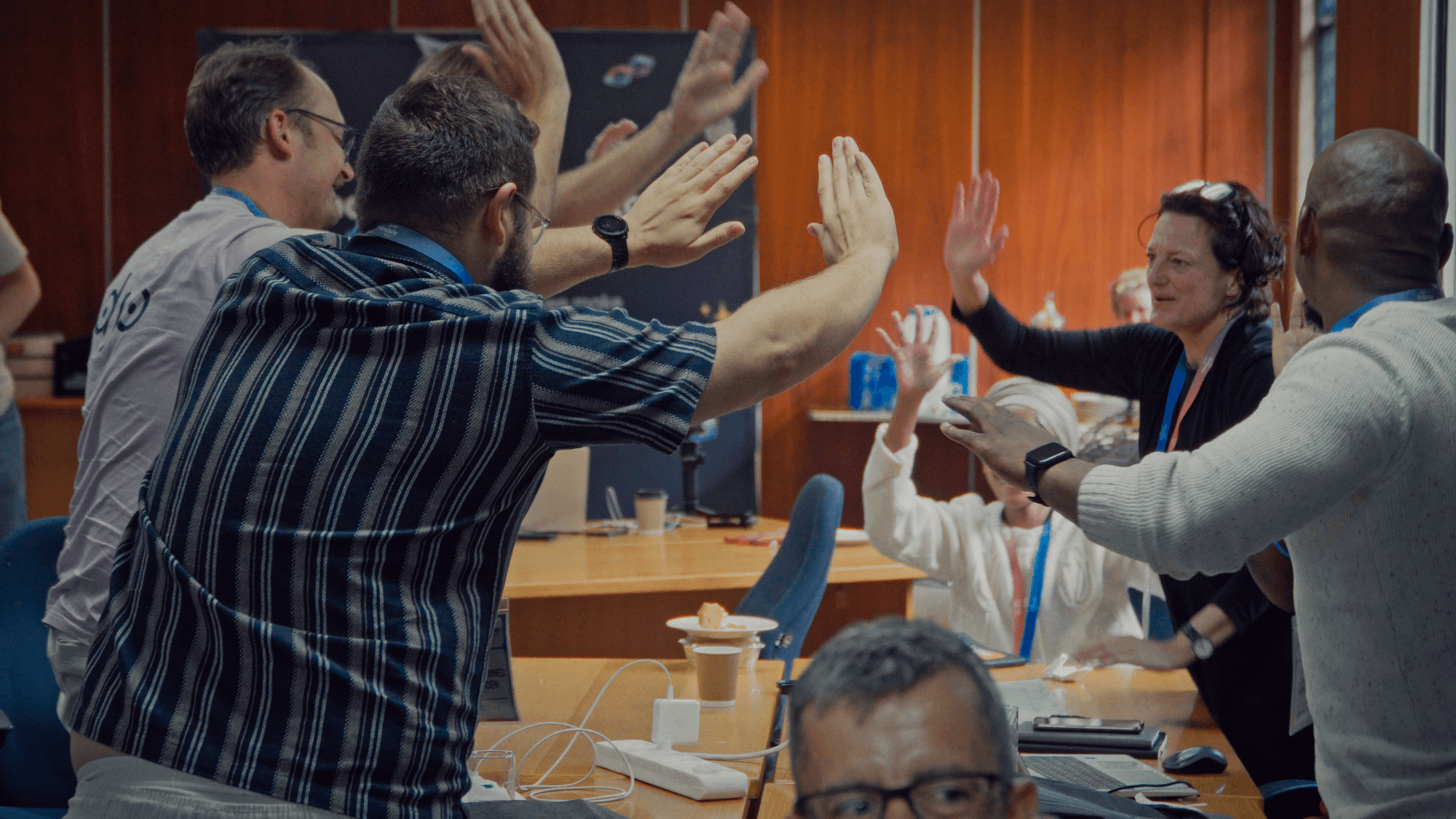
In the beginning of November, Mindjoy and the North-West University Engineering Faculty brought together a room full of lecturers, engineers, and designers for a full-day co-creation hackathon dedicated to one bold question:
What if AI helped us teach the way we’ve always wanted to - more personal, more practical, and more human?
NWU x Mindjoy Hackathon 2025: Engineers, designers and educators in action.
Hosted at NWU’s Potchefstroom campus, the hackathon gathered educators eager to rethink what learning and assessment could look like in 2026. Mindjoy’s team of engineers and designers joined forces with academic staff to explore how emerging AI tools can support richer teaching experiences, lighten workloads, and open new possibilities for student engagement.
Why Was This Hackathon Important?
Education is undergoing rapid transformation, and NWU is placing itself firmly at the forefront. The hackathon wasn’t just an experiment; it was a strategic step towards preparing next year’s modules for an AI-enabled and enhanced future.
Lecturers arrived with deep knowledge of student needs, curriculum pressure points, and the realities of teaching. Mindjoy arrived with prototypes, expertise in learning-focused AI, and a willingness to build alongside educators rather than just create for them.
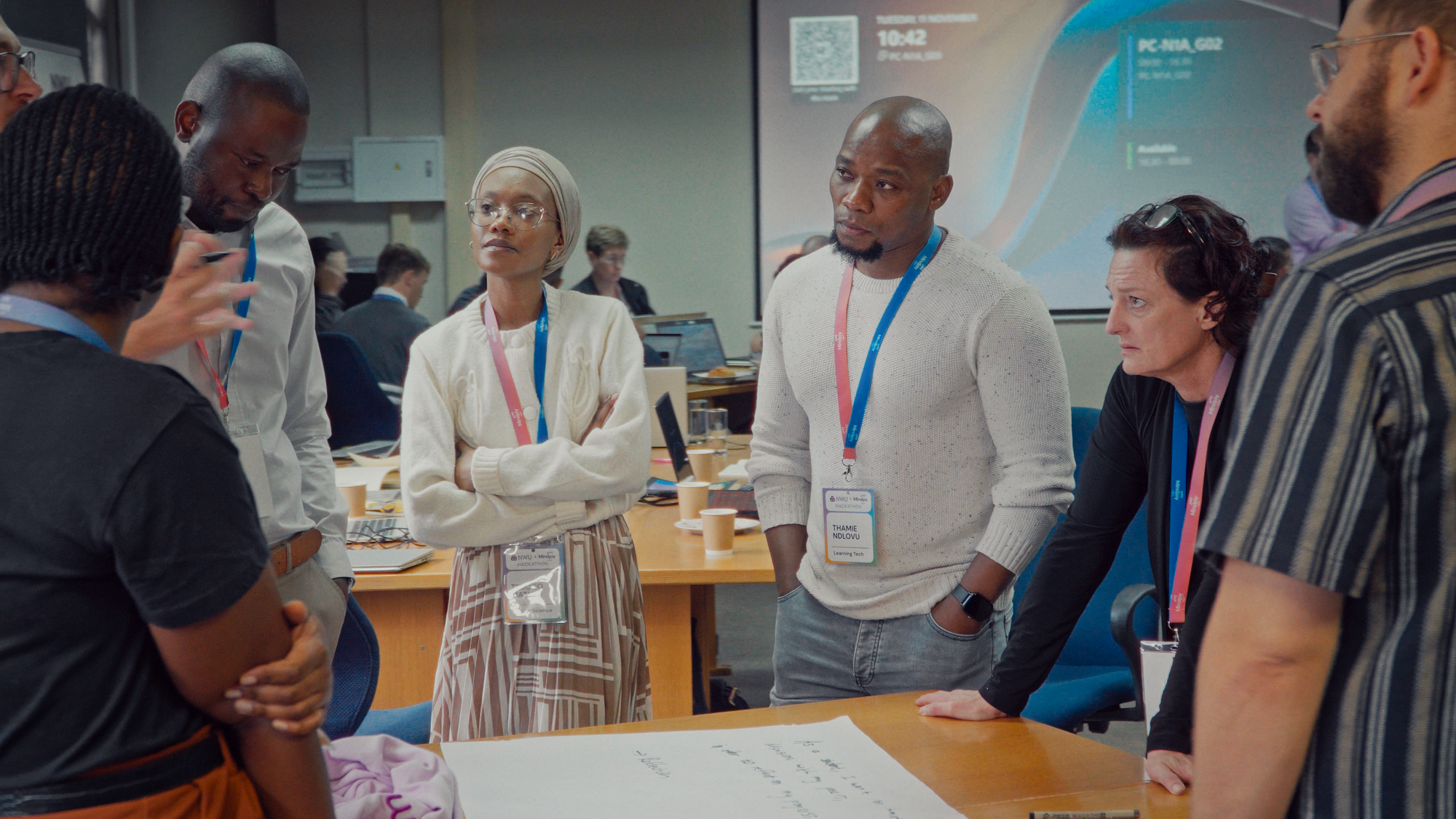
The goal was clear: co-design technology that meaningfully enhances teaching, rather than disrupts it.
For many attendees, the motivation was twofold:
- To improve teaching and learning quality through more adaptive, personalized, and feedback-rich experiences.
- To reduce administrative burdens so time could be redirected back into high-value interactions with students.
What Participants Explored and Built
Throughout the day, educators worked in teams alongside Mindjoy’s engineers and designers to pinpoint challenges - from tutorial bottlenecks to assessment complexity to student engagement gaps - and rapidly prototype creative solutions using AI.
The hackathon was centered on five tracks:
1. AI Assessment Lab
Teams reimagined the future of assessment and feedback, experimenting with mastery-based progress, graduate attribute tracking, and smarter auto-marking systems that could support lecturers while preserving academic integrity.
2. Voice and Presence Studio
Groups explored how voice-driven simulations and conversational AI tutors could guide students through complex concepts, lab scenarios, and oral-based assessments.
3. Simulation Playground
This track focused on practical, real-world learning, allowing participants to build early concepts for AI-driven lab environments, scenario-based challenges, and interactive problem-solving tasks.
4. Collaboration Hub
Lecturers tackled the age-old difficulty of group work. They envisioned tools that support peer learning, track contributions, offer AI-guided teamwork, and give students more structure during collaborative projects that are often difficult to manage.
5. Faculty Flow
This track looked inward at academic workflows - things like admin tasks, curriculum planning, and resource creation - and prototyped tools to make teaching lighter, smarter, and more time-efficient.
Where Will These Big Ideas Go from Here?
The hackathon was more than a one-day creative sprint. Top concepts will contribute to our brainstorming and development for 2026, demonstrating a shift from mere conversations and collaborating to real-world implementation.
For participants, the event also created something less tangible but equally valuable: a network of forward-thinking colleagues, engineers, and education innovators. An opportunity to be part of the development process.
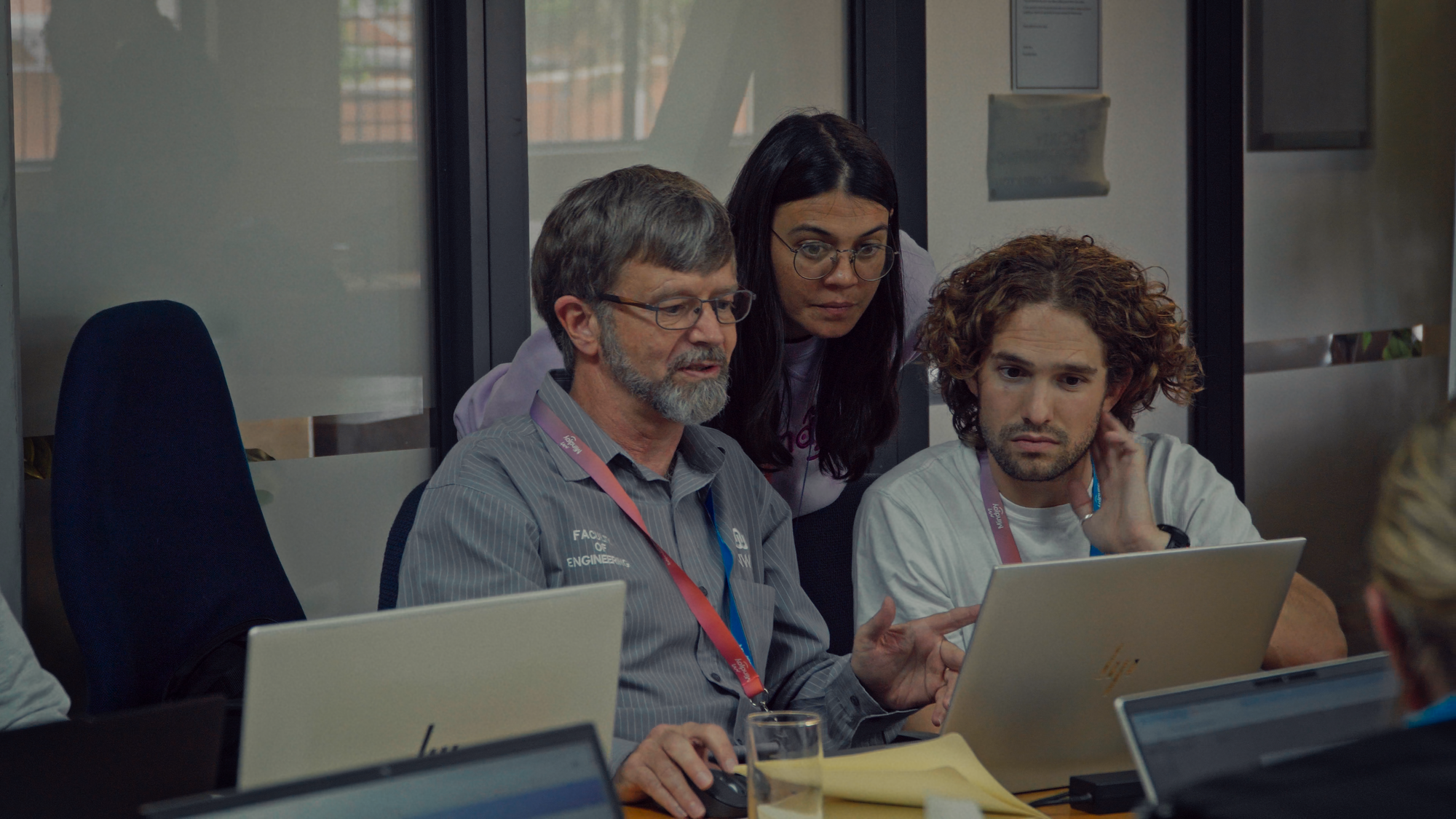
Above all, the hackathon demonstrated what becomes possible when educators, engineers, and designers co-create.
AI in education doesn’t need to feel abstract or intimidating. When built collaboratively, it becomes a practical and empowering tool for improving teaching and learning in ways that students need and educators want.
The future of learning isn’t a distant reality - it's being built, shaped, and imagined collaboratively by the educators who understand students best and the engineers who know how to turn ideas and ambitions into reality.